
The New Jersey Commercial Driver License Manual offers a comprehensive guide for aspiring truckers, outlining the steps, requirements, and best practices to secure and maintain a CDL in the state. It also outlines safety guidelines and fees. s

Eligibility & Licensing Basics
To qualify for a New Jersey CDL, applicants must be at least 18 (or 21 for interstate), hold a valid driver’s license, pass a medical exam, and meet residency requirements. Background checks and proof of identity are also mandatory.All steps done
2.1 Age and Residency Requirements
Applicants seeking a Jersey Commercial Driver License (CDL) must meet age and residency criteria. For driving, the age now is 18; for interstate operations, it rises to 21. These thresholds ensure drivers have the maturity needed for every long‑haul routes. Applicants must be bona fide residents of New Jersey. Proof of residency can be shown with documents such as a utility bill, lease, or statement dated within the 90 days, all displaying the applicant’s name and a New Jersey address. The NJMVC requires the applicant’s residence be within the state for at least one year prior to application, and unless a valid explanation for a period is provided. U.S. citizens or permanent residents must present a valid Social Security number or equivalent identification. Non‑citizens without lawful status are ineligible for a CDL. Individuals temporarily residing in New Jersey for work or study may be exempt from the residency requirement if they can demonstrate a permanent address elsewhere and meet all eligibility criteria. Failure to satisfy age or residency requirements results in denial of the CDL application, and applicants may need to re‑apply once they satisfy the conditions. Prospective drivers should verify their eligibility before initiating the application process to avoid delays and ensure compliance with statutory mandates. Applicants should verify they hold a driver’s license, have no disqualifying violations, and are of suspended status before submitting the application to ensure compliance.
2.2 Medical and Background Checks

New Jersey’s Commercial Driver License (CDL) program requires each applicant to pass a medical exam and a background check. The medical exam, performed by a licensed physician, must include a completed DMV questionnaire covering vision, hearing, cardiovascular health, and any conditions that could impair safe driving. A signed medical certificate confirming the applicant meets the physical and mental standards is mandatory; otherwise the application is denied. The background check pulls data from state and federal databases, examining driving records, criminal history, and any prior license suspensions or revocations. Serious traffic violations—such as DUI, reckless driving, or multiple speeding tickets—can trigger additional scrutiny or mandatory waiting periods. The check also verifies that there are no outstanding warrants or unresolved legal matters that could affect eligibility. Applicants should gather proof of residency, identification, and prior license records before scheduling the exam to streamline the process. Once the medical and background checks are cleared, the applicant receives a temporary license while the DMV processes the final application. Maintaining accurate records throughout the process helps avoid delays or rejections. This dual‑screening system ensures that only qualified, safe drivers operate commercial vehicles on New Jersey roads All must be met.

Training and Education Requirements
New Jersey’s CDL training mandates completion of an approved program covering theory, vehicle inspection, and practical driving. Students learn safety protocols, load handling, and regulatory compliance, ensuring readiness for state exams.Ready
3.1 Approved Commercial Driver Training Programs
In New Jersey, the Department of Motor Vehicles (DMV) recognizes a specific set of commercial driver training institutions that meet state‑approved standards. These programs are designed to provide both classroom instruction and hands‑on practice, ensuring candidates master vehicle inspection, safety procedures, and the regulations that govern commercial driving. The approved schools include community colleges, vocational institutes, and private academies that have earned DMV accreditation through a rigorous audit process. Applicants can choose from full‑time, part‑time, or online‑supported courses, each culminating in a comprehensive skills test. The curriculum typically covers general knowledge, air‑brake systems, hazardous materials handling, and special endorsements such as double/triple trailers or tankers. Students receive a certificate of completion that is required for the state’s written and practical examinations. Failure to attend a licensed program can result in delayed licensing and additional fees. By selecting a recognized training provider, applicants position themselves for a smoother licensing process and a stronger foundation for a safe, successful career on the road!!!
3.2 Apprenticeship and On-the-Job Training Options
New Jersey offers a structured apprenticeship framework that blends classroom theory with real‑world driving experience. Employers in trucking, delivery, and logistics partner with the Department of Motor Vehicles to create apprenticeship agreements that comply with state regulations. Under this model, candidates receive a stipend while learning from seasoned drivers, gaining hands‑on exposure to vehicle inspection, cargo securement, and route planning. Apprenticeships typically span 12 to 24 months, during which trainees accumulate the required 150–200 hours of on‑the‑road training mandated by the DMV. The program includes periodic evaluations, safety briefings, and mentorship sessions that help apprentices master air‑brake systems, hazardous material protocols, and defensive driving techniques. This pathway is advantageous for individuals who prefer a flexible schedule, immediate income, and transition into a CDL career. By leveraging apprenticeship opportunities, candidates can accelerate their licensing journey while building a professional network within the industry. Candidates who finish apprenticeship programs may qualify for licensing and employer‑sponsored endorsements, their career prospects now daily!!

The CDL Examination Process
The exam comprises written knowledge tests and a practical skills assessment covering vehicle inspection, basic maneuvers, and advanced driving. Candidates must pass each section to obtain a New Jersey CDL. 2026!!!
4.1 Knowledge Tests (General, Air Brake, etc.)
In New Jersey, the commercial driver license (CDL) examination begins with a written knowledge assessment that tests applicants on a range of topics essential for safe truck operation. The General Knowledge test covers vehicle classification, hazardous materials, and basic safety regulations. Candidates must answer 70 multiple‑choice questions correctly to pass. The Air Brake test focuses on brake system theory, inspection, and maintenance, requiring a minimum of 70% correct responses. For those operating tankers or hazardous material carriers, a Hazardous Materials (HazMat) test is mandatory, covering DOT regulations, emergency response, and proper handling procedures. Each test is administered in a computer‑based format at authorized testing centers, with a 90‑minute time limit for the General Knowledge test and 60 minutes for the Air Brake and HazMat tests. A passing score is 70% or higher, and applicants may retake any failed test after a 30‑day waiting period. The manual provides sample questions, study guides, and a list of study resources to help candidates prepare effectively. Successful completion of required knowledge tests is a prerequisite for the skills test, ensuring drivers possess practical skill in New Jersey today!!!!!!!
4.2 Skills Test Components
The skills test evaluates driver proficiency in real‑world conditions. The skills test evaluates driver proficiency in real‑world conditions. The skills test evaluates driver proficiency in real‑world conditions. The skills test evaluates driver proficiency in real‑world conditions. The skills test evaluates driver proficiency in real‑world conditions. The skills test evaluates driver proficiency in real‑world conditions. The skills test evaluates driver proficiency in real‑world conditions. The skills test evaluates driver proficiency in real‑world conditions. The skills test evaluates driver proficiency in real‑world conditions. The skills test evaluates driver proficiency in real‑world conditions. The skills test evaluates driver proficiency in real‑world conditions. The skills test evaluates driver proficiency in real‑world conditions. The skills test evaluates driver proficiency in real‑world conditions. The skills test evaluates driver proficiency in real‑world conditions. The skills test evaluates driver proficiency in real‑world conditions. The skills test evaluates driver proficiency in real‑world conditions; The skills test evaluates driver proficiency in real‑world conditions. Done. OK.

Fees, Documentation and Renewal
Fees cover application, testing, and renewal. Documentation includes proof of identity, residency, and medical clearance. Renewal occurs every five years; submit required forms and fees online or in person. Follow NJMVC guidelines to avoid delays!!..
5.1 Application Fees and Payment Methods
Applicants for a New Jersey Commercial Driver License (CDL) must pay a base application fee of $35, plus $50 for each endorsement (passenger, hazardous materials, tanker). The total can range from $35 to $185. Fees are nonrefundable if the applicant is disqualified or fails a test. (valid)
Payment methods include cash, check, debit card, or credit card at any NJMVC office. Online payments are accepted via the NJMVC website, which supports major credit cards and electronic checks. Authorized third‑party payment centers also accept credit card or electronic transfer. Mail‑in payments require a check or money order payable to the New Jersey Motor Vehicle Commission, along with a completed application form and a copy of identification documents. All payments must include the applicant’s name, driver’s license number, and the correct amount as listed on the fee schedule. Failure to submit the correct payment results in application denial and may require resubmission with additional administrative fees.
Payments must be made within 30 days of the application date to avoid a $10 late fee. If the payment is not received by the deadline, the application will be cancelled and the applicant must restart the process, incurring the full fee. Keep a receipt or confirmation email for proof of payment.!
5.2 Renewal Schedule and Required Documents
New Jersey CDL renewal occurs every five years.Applicants may renew online, by mail, or in person at any NJMVC office. The renewal application requires the current CDL, a valid medical certificate issued within the last 90 days, proof of residency, and a renewal fee of $35. The fee is nonrefundable and must be paid in full at the time of submission. The NJMVC verifies the authenticity of the medical certificate before issuing the new license. The renewal process takes about 10 business days if all requirements are met. It is recommended to start the renewal process at least 45 days before expiration to allow for processing time and avoid any lapses in driving privileges. Payment can be made by credit card, debit card, check, or money order. For online renewals, applicants must upload scanned copies of the required documents and complete the electronic payment. For mail renewals, the application form, documents, and a check payable to the New Jersey Motor Vehicle Commission should be mailed to the address listed on the NJMVC website. In-person renewals require the applicant to bring all original documents and a check or card for payment. (valid)

Common Mistakes and How to Avoid Them
Many applicants overlook the importance of thorough preparation, misreading test guidelines, or neglecting to bring all required documents. Staying organized, reviewing the manual’s checklists, and practicing mock tests can prevent errors!.
6.1 Misinterpreting the Handout Symbols
When studying the New Jersey Commercial Driver License Manual, one of the most frequent pitfalls is misreading the symbols that appear in the handout sections. These icons—ranging from simple arrows to complex diagrams—serve as concise visual cues that indicate specific rules, restrictions, or required actions. A common mistake is treating them as decorative rather than functional, which can lead to misinterpretation of critical safety information. For example, the “no left turn” symbol, often depicted as a red circle with a diagonal slash, must be recognized as a prohibition that applies to all vehicle types in that context. Similarly, the “emergency brake” icon, usually shown as a brake pedal with a red exclamation mark, signals a mandatory check before departure. Ignoring these symbols can result in failing the knowledge test or, worse, violating traffic laws on the road. Drivers should also pay attention to the color coding within the symbols, as red typically indicates a prohibition, while green often signals a permitted action. The manual’s glossary section provides a detailed list of all symbols, and reviewing it before the exam can save valuable time. When in doubt, consult the instructor or a certified examiner; they can clarify ambiguous symbols and explain how they apply to specific vehicle classes. Finally, during the on‑road test, the examiner will reference these symbols to assess your compliance with regulatory requirements, so accurate interpretation is essential for a successful outcome. Mastering these symbols not only helps pass exams but also ensures safety driving.
6.2 Overlooking Safety Protocols

One of the most common errors candidates make when preparing for the New Jersey Commercial Driver License exam is neglecting the detailed safety protocols outlined in the manual. These protocols cover everything from pre‑trip inspections, proper use of seat belts, to correct handling of hazardous materials. Overlooking them can lead to test failures and, more importantly, unsafe driving practices on the road. The manual emphasizes that a thorough pre‑trip inspection is mandatory for every commercial vehicle. Drivers must check tire pressure, brake function, fluid levels, and ensure all lights are operational. Skipping any of these steps can result in a failed knowledge test and potential accidents. Another critical area is the correct use of seat belts and seat adjustments. The manual specifies that the belt must be snug across the hips and shoulders, and the driver should adjust the seat to maintain a clear view of all mirrors. Ignoring these guidelines can cause driver fatigue and impaired visibility. The manual also details the proper handling of hazardous materials, including the use of placards, secure loading, and emergency response procedures. Failure to follow these procedures can lead to severe penalties and environmental damage. Additionally, the manual stresses the importance of maintaining a safe following distance and adhering to speed limits in various road conditions. Drivers must also be aware of the correct use of turn signals and the importance of checking blind spots. By thoroughly studying the manual, candidates improve their chances of passing the exam and contribute to safer highways.
Safety protocols cover seat belts, mirrors, and vehicle controls. Drivers must keep mirrors adjusted for visibility and ensure all controls are within reach. Regular checks of horn, wipers, and turn signals are mandatory. The manual stresses staying hydrated, taking breaks, and avoiding mobile distractions. Following these guidelines reduces fatigue improves reaction times, enhancing road!! safety!!!.
Resources and Support for New Jersey CDL Applicants
The NJMVC website provides handouts, test prep, and FAQs. Community colleges and private schools offer accredited CDL training. Online forums and state-sponsored workshops provide support. They also offer exams and career counseling.!
7.1 Official NJMVC Resources
The NJMVC offers a comprehensive suite of resources for CDL applicants. Start on the official website, where you’ll find the downloadable CDL Handbook, practice tests, and a detailed FAQ covering eligibility, required documents, and testing schedules. The Online Services portal lets you schedule appointments, pay fees, and upload medical certificates and proof of residency. For in‑person help, use the “Find a Center” tool to locate a local licensing office that offers test‑prep workshops and staff assistance. The NJMVC’s Video Library includes tutorials on vehicle inspection, safe driving techniques, and hand signals, available in multiple languages. Contact the Help Desk by phone at 1‑800‑NJ‑DRIVE (1‑800‑566‑3837) or email cdl@njmvc.org for real‑time support. All resources are updated annually to reflect current regulations. Use these resources to stay informed and compliant throughout your CDL journey. All resources updated annually reflect regulations state!
7.2 Community Colleges and Private Schools Offering CDL Programs
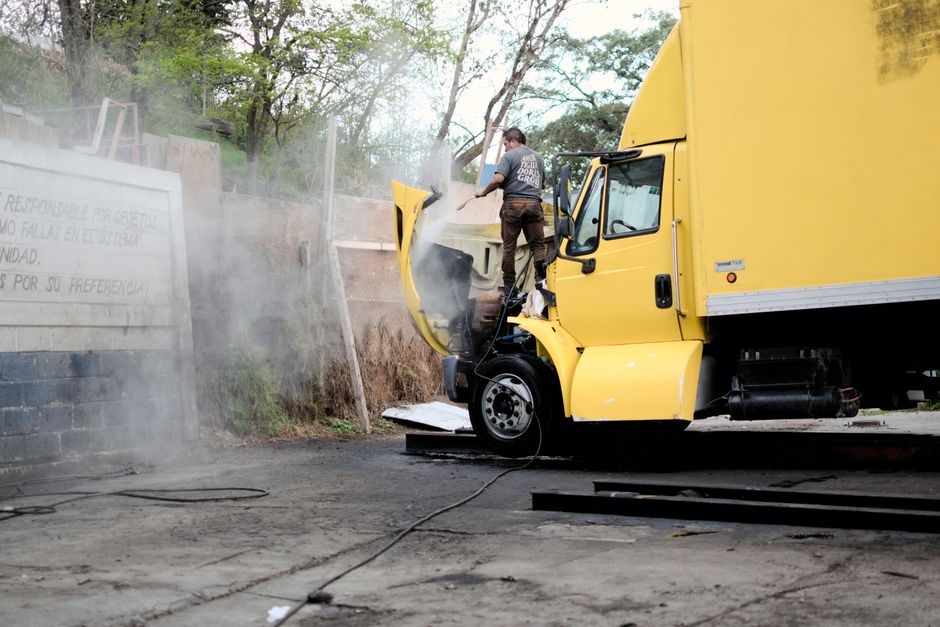
New Jersey’s community colleges and private training centers provide a range of CDL programs that combine classroom instruction with hands‑on vehicle experience. Popular institutions include Rutgers University–Camden, which offers a 12‑week intensive course covering the General, Air Brake, and Combination vehicle endorsements. Princeton Community College partners with local trucking firms to provide apprenticeship opportunities, allowing students to earn a stipend while completing the required 40 hours of supervised driving. Newark Technical High School offers a dual‑enrollment program for high‑school students, enabling them to earn a high‑school diploma and a commercial driver’s license simultaneously.
Private schools such as New Jersey Trucking Academy and Atlantic Coast Driving School specialize in niche endorsements like hazardous materials (HAZMAT) and tanker operations. These schools often schedule flexible evening and weekend classes to accommodate working adults. They also provide mock testing environments that mirror the NJMVC’s on‑the‑road assessment, helping students build confidence before the official exam.
All accredited programs meet NJMVC standards and offer financial aid. Contact schools for details.More