
DWE7485 Manual: A Comprehensive Guide (Updated 04/01/2026)
Today is 04/01/2026 03:51:45 ()․ Your journey begins with this manual, guiding you towards successful operation and enjoyment of your DWE7485․
Welcome to the world of precision cutting with the Dewalt DWE7485! This powerful 12-inch sliding compound miter saw is engineered for both professionals and DIY enthusiasts seeking accuracy, versatility, and durability․ This manual serves as your comprehensive guide, unlocking the full potential of your new tool․
Whether you’re tackling intricate trim work, framing projects, or simply need to make precise crosscuts, the DWE7485 is designed to deliver exceptional results․ We understand that mastering a new tool can be daunting, which is why we’ve created this detailed resource․ It will walk you through every step, from initial setup and operation to maintenance and troubleshooting․

Prepare to embark on a journey of confident craftsmanship, knowing you have the knowledge and support to achieve professional-quality cuts with ease․ Let’s begin!
About This Manual
This manual is meticulously crafted to be your primary resource for the Dewalt DWE7485 sliding compound miter saw․ It’s designed to provide clear, concise instructions, ensuring a safe and productive experience․ We’ve included detailed illustrations and step-by-step guides to simplify complex procedures, making it accessible for users of all skill levels․
Throughout this document, you’ll find important safety precautions highlighted to prevent accidents and ensure your well-being․ Pay close attention to these warnings before operating the saw․ This manual covers everything from initial assembly and adjustments to routine maintenance and troubleshooting common issues․
Keep this manual in a safe and accessible location for future reference․ Regularly reviewing it will help you maximize the performance and longevity of your DWE7485․
Safety Precautions
Prioritize safety! Operating a power tool like the DWE7485 demands strict adherence to safety guidelines․ Always wear approved safety glasses or a face shield to protect your eyes from flying debris․ Ear protection is crucial due to the high noise levels generated during operation․ A dust mask or respirator is recommended to prevent inhalation of harmful particles․
Ensure your work area is well-lit, clean, and free of obstructions․ Never operate the saw when fatigued or under the influence of drugs or alcohol․ Disconnect the power cord before making any adjustments, changing blades, or performing maintenance․ Keep bystanders at a safe distance during operation․
Familiarize yourself with the saw’s controls and emergency shut-off procedures․ Never force the saw or feed material too quickly․ Always use a sharp blade and maintain proper blade alignment․
General Safety Warnings
Read all instructions carefully before operating the DWE7485․ Understand the tool’s capabilities and limitations․ Misuse can result in serious injury․ Always inspect the tool for damage before each use; do not operate if damaged․ Keep guards in place and functioning correctly․ Never remove or bypass safety features․
Avoid awkward hand positions and maintain a firm grip․ Secure the workpiece properly to prevent movement during cutting․ Be aware of kickback potential and take preventative measures․ Never reach over or across the blade․ Use appropriate push sticks or clamps for smaller workpieces․
Maintain a clean and organized workspace․ Avoid distractions during operation․ Store the tool in a safe, dry location when not in use․
Specific DWE7485 Safety Rules
Always wear safety glasses or a face shield when operating the DWE7485 to protect against flying debris․ Use a dust mask or respirator when cutting materials that produce airborne particles․ Ensure the blade is properly installed and tightened before use․ Never operate the saw with a damaged or dull blade․
Keep hands clear of the blade path at all times․ Utilize the blade guard for maximum protection․ Be mindful of the sliding function and ensure adequate clearance․ Avoid cutting small pieces without proper support․ Disconnect the power supply before making adjustments or changing blades․
Regularly inspect the fence and locking mechanisms for proper function․ Never force the saw through the material; let the blade do the work․

Understanding Your DWE7485
This section details the DWE7485’s components, features, and specifications, ensuring you fully grasp its capabilities before assembly and operation for optimal results․
Package Contents
Upon opening the box, carefully verify that all listed components are present and undamaged․ Your DWE7485 package should include the following items: one (1) DWE7485 Sliding Compound Miter Saw, one (1) Carbide Blade (likely a 12-inch blade, check specifications), one (1) Blade Wrench for safe blade changes, one (1) Dust Bag to manage debris during operation, and one (1) Operator’s Manual – this very guide!
Additionally, you should find one (1) Vertical Clamp for securing workpieces, and one (1) Miter Saw Stand (if purchased as a kit)․ If any parts are missing or appear damaged, immediately contact DeWalt customer support for assistance and replacement․ Do not attempt to operate the saw with missing components, as this could lead to injury or damage․ Retain the original packaging for potential returns or warranty claims․
Key Features and Specifications
The DWE7485 boasts a powerful 15-amp motor delivering 5,000 RPM for clean, accurate cuts in a variety of materials․ Its large 12-inch sliding rail system provides an impressive 8-1/2 inch crosscut capacity, and 16-inch rip capacity․ Precise miter detents at 0, 22․5, 45, and 90 degrees, alongside a bevel capacity of 0-45 degrees, enhance versatility․
Key features include a stainless-steel miter gauge, a transparent blade guard for enhanced visibility, and a convenient dust port for efficient dust collection․ The saw weighs approximately 49 pounds, offering a balance of power and portability․ Electrical specifications are 120V, 60Hz․ Always refer to the product label for the most accurate and up-to-date specifications․
Component Identification
The DWE7485 consists of several key components working in unison․ These include the robust base assembly, providing stability during operation, and the sliding rail system enabling wider cuts․ The fence and support components ensure accurate and repeatable angles․ Familiarize yourself with the motor housing, containing the powerful 15-amp motor, and the transparent blade guard, crucial for safety and visibility․
Locate the miter detent plate, used for precise angle adjustments, and the bevel lock knob, securing the bevel angle․ Identify the dust port for connecting a dust collection system․ The included carbide-tipped blade is essential for cutting, and the power cord provides electrical connection․ Understanding each component’s function is vital for safe and effective operation․
Base Assembly Details
The DWE7485’s base is constructed from heavy-duty cast aluminum, providing exceptional stability and durability during demanding cuts․ It features integrated mounting points for optional stand compatibility, enhancing portability and workflow․ Examine the sliding rails, which smoothly extend to support larger workpieces, and the locking mechanisms ensuring secure positioning․
Note the rubber feet, designed to minimize vibration and prevent slippage on various surfaces․ The base incorporates a convenient handle for easy transport․ Inspect the base for any damage before each use, ensuring all components are securely fastened․ Proper base assembly is fundamental for achieving accurate and safe cutting results with your DWE7485․
Fence and Support Components

The DWE7485’s fence system is a critical element for precise and repeatable cuts․ It features a robust rail and clamp mechanism, allowing for quick and secure adjustments․ Examine the fence’s scale markings, ensuring they are clear and accurate for setting desired cut widths․ The sliding fence extends to accommodate wider boards, while the locking handle firmly secures it in place․
Support arms provide additional stability for longer workpieces, preventing sagging and ensuring clean cuts․ Verify the support arms are properly aligned and adjusted to the material’s height․ Regularly inspect the fence and support components for wear or damage, tightening any loose bolts or screws․ A properly maintained fence system is vital for achieving professional-quality results․
Motor and Blade Guard
The DWE7485 is powered by a robust motor, delivering consistent power for various cutting applications․ Familiarize yourself with the motor housing and its ventilation ports, ensuring they remain unobstructed for optimal performance and to prevent overheating․ The blade guard is a crucial safety feature, designed to protect the operator from accidental contact with the rotating blade․
Always ensure the blade guard is properly installed and functioning before operation․ Inspect the guard for any cracks or damage, and replace it if necessary․ Understand the quick-release mechanism for blade changes, but never bypass the safety interlocks․ Regular inspection of both the motor and blade guard contributes significantly to safe and efficient operation of your DWE7485․

Setting Up Your DWE7485
Prepare for operation by carefully following the assembly instructions, adjusting the fence, and installing the blade correctly for optimal performance․
Assembly Instructions
Begin by unpacking all components and verifying against the package contents list to ensure nothing is missing․ Attach the base to the main body, securing it with the provided bolts – do not fully tighten until aligned․ Next, install the fence rails, ensuring smooth sliding action․ Carefully mount the fence to the rails, checking for squareness to the blade․
Attach the blade guard assembly, confirming proper operation and safety interlocks․ Connect the dust collection port, ensuring a secure fit to prevent leakage․ Finally, tighten all bolts to the manufacturer’s specified torque․ Double-check all connections for stability before proceeding to blade installation and initial testing․ A properly assembled DWE7485 is crucial for safe and accurate operation․
Adjusting the Fence
The DWE7485 fence offers precise adjustments for various cutting applications․ To adjust, loosen the fence locking knob, allowing the fence to slide along the rails․ Ensure the fence is parallel to the blade for accurate rip cuts; use a measuring tape to verify․ For angled cuts, utilize the fence’s bevel adjustment feature, locking it securely at the desired angle․
Fine-tune adjustments using the micro-adjustment knob for enhanced precision․ Regularly check fence squareness to the table, as vibrations can cause slight shifts․ A properly adjusted fence is vital for achieving clean, accurate, and repeatable cuts․ Remember to firmly tighten the locking knob after each adjustment to prevent movement during operation․
Blade Installation and Changes
Safely installing and changing blades on your DWE7485 is crucial for optimal performance․ Always disconnect the power source before any blade work․ Utilize the blade lock button to secure the blade during removal and installation․ Ensure the blade is correctly oriented, with the teeth facing the direction of the cut․
Tighten the blade bolt securely with the provided wrench, but avoid over-tightening․ A loose blade can cause dangerous wobble and inaccurate cuts․ Regularly inspect the blade for sharpness and damage, replacing it when necessary․ Proper blade maintenance extends the life of your saw and ensures safe operation․
Selecting the Right Blade
Choosing the correct blade for your DWE7485 is paramount for achieving clean, efficient cuts․ Consider the material you’ll be cutting – wood, metal, or plastic – as each requires a specific blade geometry․ For fine woodworking, a high-tooth-count blade delivers smoother results․ Conversely, ripping lumber benefits from a blade with fewer teeth designed for rapid material removal․
Blade tooth configuration (ATB, FTG, etc․) also matters․ Alternate Top Bevel (ATB) blades excel at crosscutting, while Flat Top Grind (FTG) blades are ideal for ripping․ Always verify the blade’s arbor size matches your DWE7485’s specifications․ Using the wrong blade can damage the saw and compromise cut quality․
Blade Changing Procedure
Always disconnect the DWE7485 from the power source before attempting a blade change․ Utilize the blade lock button, engaging it firmly to prevent rotation․ Locate and loosen the arbor bolt using the appropriate wrench – typically included with the saw․ Once loosened, carefully remove the outer flange, then the old blade․
Install the new blade, ensuring the teeth point in the correct cutting direction․ Replace the outer flange and tighten the arbor bolt securely․ Double-check the bolt’s tightness before releasing the blade lock․ A properly secured blade is crucial for safe and accurate operation․ Remember to always wear appropriate safety glasses during this process․
Dust Collection System Setup
The DWE7485 is equipped with a dust port for efficient debris removal․ Connect a standard 2․5-inch diameter dust collection hose to this port․ Ensure a secure and airtight connection to maximize suction․ For optimal performance, utilize a shop vacuum or dust collector with sufficient CFM (cubic feet per minute) capacity․
Proper dust collection minimizes airborne particles, improving visibility and creating a healthier work environment․ Regularly inspect the dust port and hose for blockages․ A clogged system reduces suction and compromises effectiveness․ Consider using a dust bag attachment for finer dust particles․ Maintaining a clean workspace is paramount for safety and precision․

Operating the DWE7485
Begin your cuts with precision! This section details basic operation, accurate cutting techniques, bevel/miter adjustments, and utilizing the sliding function effectively․
Basic Operation Instructions

Before commencing any cutting operation, ensure the DWE7485 is securely positioned on a stable surface․ Verify the blade is correctly installed and guarded, and the workpiece is firmly supported․ Always wear appropriate safety glasses and hearing protection․ To initiate a cut, depress the trigger switch, allowing the motor to reach full speed before contacting the material․
Maintain a firm grip on the saw and guide it smoothly through the workpiece, avoiding excessive force․ Release the trigger switch immediately after completing the cut, allowing the blade to come to a complete stop before lifting the saw․ Never force the saw; let the blade do the work․ Regularly inspect the power cord for damage and ensure it’s properly grounded․ Familiarize yourself with the location of the emergency stop switch for immediate control in unforeseen circumstances․
Making Accurate Cuts
Achieving precision with your DWE7485 relies on proper technique and setup․ Begin by accurately measuring and marking your cut line on the workpiece․ Utilize the fence to guide the material, ensuring it’s securely clamped to prevent movement during the cutting process․ For repetitive cuts, consider using a stop block for consistent results․
Maintain a steady hand and feed the saw smoothly through the material, avoiding jerky motions․ Observe the cut line closely and adjust your guidance as needed․ A sharp blade is crucial for clean, accurate cuts; dull blades cause splintering and wandering․ Regularly check the fence alignment and make adjustments if necessary․ Practice on scrap wood to refine your technique before tackling your project material․
Bevel and Miter Adjustments
The DWE7485 offers versatile bevel and miter capabilities for complex cuts․ To adjust the bevel angle, locate the bevel lock knob and loosen it․ Tilt the saw head to the desired angle, utilizing the bevel scale for accuracy․ Securely tighten the knob once the angle is set․ For miter cuts, unlock the miter scale and rotate the table to the desired angle, referencing the scale markings․
Always double-check the angle before making a cut․ Positive stops are provided for common angles like 45 and 90 degrees, enhancing precision and speed․ Remember to lock both the bevel and miter adjustments firmly before operating the saw․ Practice making cuts on scrap material to verify the accuracy of your settings before working on your final project․
Using the Sliding Function
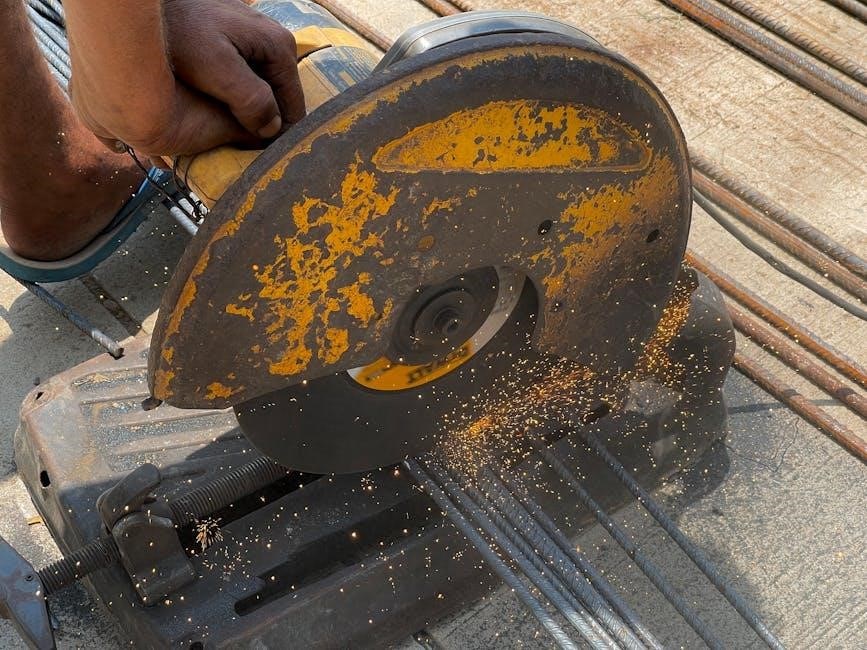
The DWE7485’s sliding function expands cutting capacity for wider materials․ Before sliding, ensure the blade is fully retracted and the workpiece is securely supported․ Unlock the sliding mechanism by releasing the lock lever located on the side of the saw․ Gently slide the saw head forward, maintaining a firm grip, until the blade reaches the desired cutting position․
Engage the lock lever to secure the saw head before initiating the cut․ Avoid forcing the sliding action; smooth operation is key․ Regularly inspect the sliding rails for debris and lubricate them as needed for optimal performance․ Always be mindful of the increased reach when the saw is in the extended position, ensuring a safe working environment․

Maintenance and Troubleshooting
Regular cleaning and inspection are vital for peak performance․ Addressing common issues like motor overheating or blade wobble ensures longevity and safe operation․
Cleaning and Lubrication
Maintaining a clean DWE7485 is crucial for optimal performance and a prolonged lifespan; After each use, disconnect the power source and thoroughly remove sawdust and debris from all components, including the base, fence, and blade guard․ A vacuum cleaner with a brush attachment works effectively for this purpose․
Pay close attention to the sliding rails, ensuring they remain free of obstructions for smooth operation․ Periodically, apply a dry lubricant, specifically designed for metal surfaces, to these rails to minimize friction and maintain accuracy․ Avoid using oil-based lubricants, as they can attract dust and create a sticky residue․
Inspect the blade regularly for buildup and clean it with a suitable blade cleaner․ Proper lubrication and consistent cleaning contribute significantly to the DWE7485’s reliability and precision․
Common Issues and Solutions
Encountering issues with your DWE7485 is sometimes unavoidable, but many are easily resolved․ Motor Overheating: If the motor overheats, immediately turn off and unplug the saw․ Allow it to cool completely before attempting to restart․ Ensure proper ventilation and avoid prolonged use under heavy load․
Blade Wobble: A wobbling blade often indicates a loose blade nut or a damaged blade․ Tighten the nut securely, and if the wobble persists, replace the blade with a new, high-quality one․ Inspect the arbor for any damage․
Difficulty Sliding: If the sliding function becomes stiff, clean and lubricate the sliding rails as described in the ‘Cleaning and Lubrication’ section․ Addressing these common problems will keep your DWE7485 operating efficiently․
Motor Overheating
Motor overheating is a potential concern with power tools, including the DWE7485․ If you notice the motor becoming excessively hot during operation, immediately cease work and disconnect the power supply․ Allowing continued operation in this state can lead to permanent motor damage and potentially create a safety hazard․
Causes can include prolonged use under heavy load, insufficient ventilation, or a buildup of sawdust within the motor housing․ Ensure the saw is used within its intended capacity and that air vents are clear of obstructions․ Regular cleaning, as detailed in the maintenance section, is crucial․
Allow the motor to cool completely before resuming operation․
Blade Wobble
Blade wobble during operation indicates a problem requiring immediate attention․ This instability compromises cut accuracy and can potentially lead to blade damage or even a dangerous kickback situation; Never continue operating the DWE7485 if you detect noticeable blade wobble․
Common causes include a loose blade nut, a damaged arbor, or a bent blade․ First, ensure the blade nut is securely tightened to the manufacturer’s specified torque․ Inspect the arbor for any signs of damage or bending․ If the blade itself appears bent or warped, it must be replaced․
Always disconnect power before inspecting or tightening components․
Parts Replacement
Maintaining your DWE7485 requires occasional parts replacement due to normal wear and tear․ Only use genuine DeWalt replacement parts to ensure compatibility and maintain the tool’s performance and safety standards․ Using non-approved parts may void your warranty and could create hazardous operating conditions․
Commonly replaced parts include blades, dust collection bags, drive belts, and potentially the fence components․ To order replacement parts, visit the official DeWalt website or contact an authorized DeWalt service center․ Always have your DWE7485 model number readily available when ordering․
Refer to the exploded parts diagram in this manual for identification․

Warranty Information
DeWalt stands behind the quality of the DWE7485 with a comprehensive warranty․ This warranty covers defects in materials and workmanship for a specified period from the date of original purchase․ Please retain your proof of purchase for warranty claims․
The standard warranty typically covers one year for free repairs or replacement of defective parts․ However, extended warranties may be available for purchase, offering longer coverage periods․ The warranty does not cover damage resulting from misuse, abuse, normal wear and tear, or unauthorized repairs․
For complete warranty details and claim procedures, visit the official DeWalt website or contact DeWalt customer support․