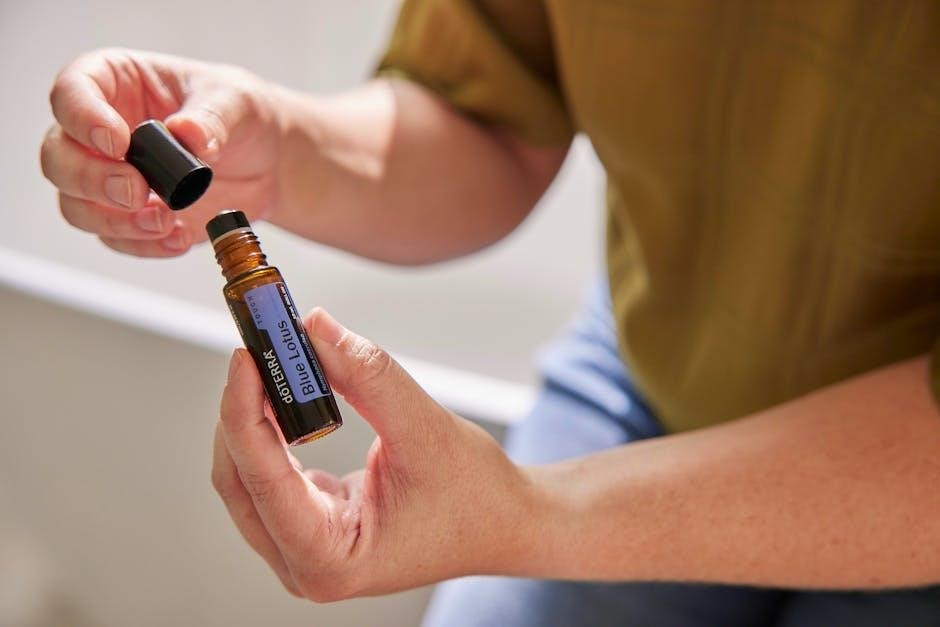
A Comprehensive Guide to Aromatherapy Oils
Aromatherapy, utilizing plant extracts, promotes well-being through inhalation or topical application; essential oils offer benefits like mood boosts and improved sleep.
Essential oils may also provide relief from anxiety, depression, and even support cognitive function in certain conditions, though further research is ongoing.
What is Aromatherapy?
Aromatherapy, at its core, is a holistic healing treatment utilizing natural plant extracts – commonly known as essential oils – to enhance psychological and physical well-being. These fragrant oils are derived from flowers, leaves, stems, bark, roots, or fruits, capturing the plant’s essence and therapeutic properties.
It’s more than just pleasant scents; aromatherapy leverages the powerful connection between smell and the limbic system, the brain area controlling emotions and memories. Essential oils can be inhaled, allowing their molecules to interact with this system, or applied topically (always diluted in a carrier oil) for localized benefits.
The practice aims to address various concerns, from stress and anxiety to sleep disorders and even pain management, offering a natural approach to wellness. It’s a complementary therapy, often used alongside conventional medical treatments to improve quality of life.
The History of Aromatherapy
Aromatherapy’s roots stretch back thousands of years, to ancient civilizations like Egypt, India, and China, where aromatic plants were employed for medicinal, spiritual, and cosmetic purposes. Egyptians utilized fragrant oils for embalming and rituals, while ancient Indians incorporated them into Ayurvedic medicine.
The term “aromatherapy” itself is relatively modern, coined in 1937 by French chemist René-Maurice Gattefossé, after accidentally discovering the healing properties of lavender oil on a burn. However, the practice of medicinal use of plants predates this by millennia.
During the Roman Empire, aromatic oils were widely used in baths, massages, and perfumes. In the Middle Ages, herbal knowledge was preserved in monasteries. The 20th century saw a revival of interest, driven by figures like Marguerite Maury, who championed its therapeutic application through massage.
How Aromatherapy Oils Work
Aromatherapy oils exert their effects through two primary mechanisms: inhalation and topical application. Inhalation impacts the limbic system, the brain area controlling emotions, memories, and hormone regulation, via olfactory receptors. This direct pathway explains the rapid mood-altering effects.
Topical application allows oils to be absorbed into the bloodstream through the skin, though this process is slower. Essential oil molecules interact with the body’s systems, potentially offering therapeutic benefits.
Many oils possess antimicrobial properties, combating bacteria and fungi. Some demonstrate antioxidant and anti-inflammatory effects. The specific chemical composition of each oil dictates its unique properties and how it interacts with the body, influencing physiological and psychological well-being.
Inhalation Methods

Inhalation is a swift route for aromatherapy oils to impact the nervous system. Diffusers and vaporizers disperse oil molecules into the air, allowing for passive inhalation and creating an aromatic environment. This method is ideal for mood enhancement and air purification.
Direct inhalation involves adding a few drops of oil to a bowl of hot water, covering the head with a towel, and breathing deeply. Steam inhalation can aid respiratory support.
Another technique is placing a drop or two on a tissue or cotton ball and inhaling intermittently. This is convenient for on-the-go use. Remember to close your eyes during inhalation to avoid irritation.
Topical Application Methods

Topical application requires dilution with carrier oils like jojoba, almond, or grapeseed oil to prevent skin irritation. Essential oils are highly concentrated and can cause sensitivity if applied undiluted.
Massage is a popular method, combining the benefits of aromatherapy with the therapeutic effects of touch. Diluted oils can be incorporated into lotions or creams for broader application.
Compresses, utilizing warm or cool water with added essential oils, can target specific areas of pain or inflammation. Baths, with a few drops of oil dispersed in a carrier, offer a relaxing and aromatic experience. Always perform a patch test before widespread application to check for allergic reactions.
Popular Aromatherapy Oils and Their Benefits
Aromatherapy oils offer diverse therapeutic properties. Lavender oil is renowned for its relaxing and calming effects, promoting sleep and reducing anxiety. Rosemary oil is believed to enhance memory and focus, making it beneficial for cognitive function.
Peppermint oil provides an invigorating boost, alleviating headaches and offering pain relief. Tea tree oil, a potent antiseptic, combats bacterial and fungal infections. Eucalyptus oil supports respiratory health, easing congestion and promoting clear breathing.
These oils, when used correctly, can contribute to overall well-being, addressing various physical and emotional concerns. Exploring individual oil properties unlocks personalized aromatherapy benefits.
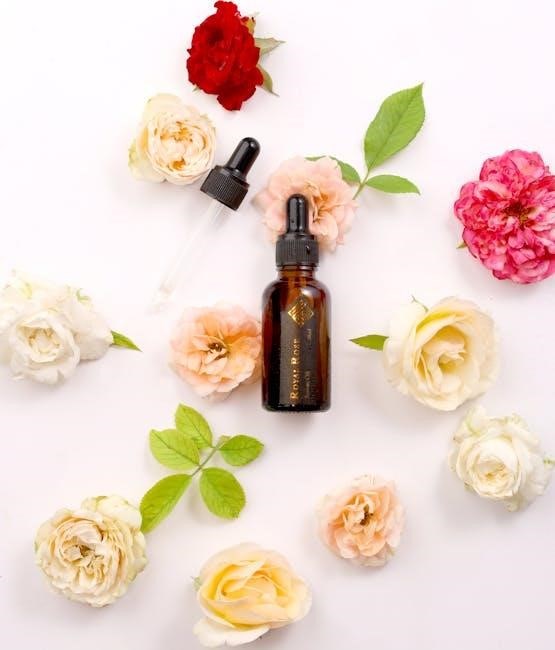
Lavender Oil: The Relaxation Expert
Lavender oil stands as a cornerstone of aromatherapy, celebrated for its profound calming and relaxing properties. It’s widely used to alleviate anxiety, stress, and nervous tension, promoting a sense of tranquility and emotional balance.
This versatile oil aids sleep quality, making it an excellent choice for those struggling with insomnia or restlessness. Topically, diluted lavender oil can soothe minor burns, cuts, and insect bites, thanks to its antiseptic and anti-inflammatory qualities.
Its gentle floral aroma creates a peaceful atmosphere, ideal for meditation or unwinding after a long day. Lavender truly earns its title as the relaxation expert within the aromatherapy world.
Rosemary Oil: For Memory and Focus
Rosemary oil is renowned for its stimulating properties, particularly its ability to enhance memory and concentration. Traditionally used to support cognitive function, it’s a popular choice for students, professionals, and anyone seeking mental clarity.
Research suggests rosemary oil possesses anticholinesterase inhibitory and antioxidant effects, potentially protecting the brain from chronic diseases like Alzheimer’s, though more studies are needed. Its invigorating aroma can combat mental fatigue and improve alertness.
Beyond cognitive benefits, rosemary oil may also boost energy levels and alleviate muscle aches when used topically in a diluted form. It’s a powerful ally for sharpening the mind and promoting focus.
Peppermint Oil: Energy and Pain Relief
Peppermint oil is a versatile aromatherapy staple, celebrated for its invigorating and analgesic properties. Its refreshing scent provides an immediate energy boost, combating fatigue and enhancing mental clarity, making it ideal for moments needing revitalization.
Beyond energy, peppermint oil offers significant pain relief. It can soothe headaches, muscle aches, and even alleviate symptoms associated with tension. Topical application, when properly diluted, provides a cooling sensation that eases discomfort.
Furthermore, peppermint’s antimicrobial properties contribute to overall wellness. It’s a potent oil for promoting alertness, reducing pain, and supporting a sense of well-being, making it a valuable addition to any aromatherapy collection.
Tea Tree Oil: The Antiseptic Powerhouse
Tea tree oil, derived from the Australian Melaleuca alternifolia, is renowned for its potent antiseptic, antibacterial, and antiviral properties. This makes it a cornerstone in natural medicine and a powerful ally in combating infections.

Historically used by Indigenous Australians, tea tree oil effectively addresses skin conditions like acne, athlete’s foot, and minor cuts and abrasions. Its antimicrobial action helps cleanse wounds and prevent further infection, promoting faster healing.
Beyond skin care, tea tree oil can support immune function and fight respiratory infections. When used cautiously and properly diluted, it’s a versatile oil offering broad-spectrum protection and a natural approach to wellness.
Eucalyptus Oil: Respiratory Support
Eucalyptus oil, extracted from the leaves of the eucalyptus tree, is a celebrated remedy for respiratory ailments. Its primary component, 1,8-cineole, possesses powerful expectorant and decongestant properties, making it invaluable during colds, coughs, and sinus congestion.
Inhalation of eucalyptus oil helps loosen mucus, clear nasal passages, and ease breathing difficulties. It’s commonly used in steam inhalations, chest rubs, and diffusers to provide soothing relief. Beyond respiratory support, eucalyptus oil also exhibits antiseptic qualities.
It can aid in fighting infections and reducing inflammation. However, caution is advised; it should always be diluted and used responsibly, especially around children and pets, due to its potency.
Aromatherapy for Specific Conditions
Aromatherapy demonstrates potential benefits across a range of health concerns. For anxiety and depression, oils like lavender and chamomile offer calming effects, promoting relaxation and improved mood. Sleep disorders may be addressed with lavender, marjoram, and cedarwood, encouraging restful sleep.
In pain management, peppermint and rosemary can provide relief from headaches and muscle soreness. Emerging research suggests aromatherapy may even support cognitive function, potentially aiding individuals with conditions like Alzheimer’s, though more studies are crucial.
It’s important to remember aromatherapy isn’t a replacement for conventional medical treatment, but a complementary therapy to enhance well-being.
Aromatherapy for Anxiety and Depression
Aromatherapy offers a gentle, complementary approach to managing anxiety and depression. Certain essential oils possess properties that can positively influence mood and emotional well-being. Lavender is renowned for its calming effects, reducing feelings of stress and promoting relaxation.
Chamomile, with its gentle floral scent, can also ease anxiety and encourage a sense of tranquility. Bergamot, a citrus oil, is often used to uplift mood and combat feelings of sadness. Ylang-ylang is known for its ability to reduce tension and promote emotional balance.
These oils can be used in diffusers, massage oils, or inhaled directly, offering a natural way to support mental health.
Aromatherapy for Sleep Disorders
Aromatherapy can be a valuable tool for addressing sleep disorders, offering a natural alternative or complement to traditional treatments. Lavender oil is perhaps the most well-known for its sleep-promoting properties, inducing relaxation and reducing anxiety that often interferes with restful sleep.
Chamomile, with its soothing aroma, can also calm the mind and prepare the body for sleep. Cedarwood oil is grounding and can help reduce stress, while marjoram is known for its sedative effects. Sweet dreams are achievable with these oils!
These oils can be diffused before bedtime, added to a warm bath, or diluted in a carrier oil for a relaxing massage, fostering a peaceful night’s rest.
Aromatherapy for Pain Management
Aromatherapy presents promising avenues for pain management, offering a holistic approach to alleviate discomfort. Peppermint oil, renowned for its cooling sensation, can effectively soothe headaches and muscle aches when diluted and applied topically.
Eucalyptus oil possesses anti-inflammatory properties, making it beneficial for joint pain and arthritis. Lavender oil, beyond its calming effects, can also reduce pain perception. Rosemary oil may improve circulation, aiding in the relief of chronic pain conditions.
These oils, when combined with massage or warm compresses, can enhance their analgesic effects, providing natural relief and improving overall well-being. Always dilute properly before topical use!
Aromatherapy and Cognitive Function (Alzheimer’s)
Aromatherapy shows potential in supporting cognitive function, particularly in conditions like Alzheimer’s disease. Research suggests rosemary essential oil may possess anticholinesterase inhibitory and antioxidant effects, potentially protecting the brain from degeneration.
These properties could help mitigate the chronic anticholinesterase deficiencies characteristic of Alzheimer’s, though more extensive studies are crucial to confirm these benefits and assess potential adverse effects. Aromatherapy has also been observed to improve cognitive performance in patients already diagnosed with such conditions.

While not a cure, aromatherapy may offer a complementary approach to managing symptoms and enhancing quality of life, alongside conventional medical treatments.
Safety Precautions When Using Aromatherapy Oils
Aromatherapy oils are potent and require careful handling. Dilution is paramount; essential oils should never be applied neat (undiluted) to the skin, always mixed with a carrier oil like jojoba or almond oil.
Prior to widespread use, perform an allergy test by applying a diluted drop to a small skin area and observing for 24-48 hours for any reaction. Be aware of contraindications and interactions; certain oils are unsuitable during pregnancy, for individuals with specific medical conditions, or when taking certain medications.
Always research each oil thoroughly and consult with a qualified aromatherapist or healthcare professional if you have concerns. Proper storage, away from light and heat, is also essential.
Dilution Guidelines
Essential oil dilution is crucial for safe aromatherapy practice. A general guideline suggests a 1-3% dilution for adults, meaning 1-3 drops of essential oil per teaspoon (5ml) of carrier oil. For sensitive skin, the elderly, or children, a 0.5-1% dilution is recommended.
Specific applications may require different dilutions; for localized pain, a higher dilution (up to 5%) might be used, but only under expert guidance. Always err on the side of caution and start with a lower concentration.
Remember, more isn’t better; excessive use can cause skin irritation or sensitization. Accurate measurement is key – using a dropper is preferable to estimating.

Allergy Testing
Prior to widespread use, allergy testing is paramount when introducing new essential oils. A simple patch test involves diluting a single drop of the essential oil in a teaspoon of carrier oil, then applying a small amount to the inner forearm.
Cover the area with a bandage and observe for 24-48 hours. Look for any signs of reaction – redness, itching, burning, blistering, or swelling. If any irritation occurs, discontinue use immediately and wash the area thoroughly with soap and water.
Even if no immediate reaction is apparent, it’s wise to retest after a week to confirm long-term tolerance. Sensitivity can develop over time, so periodic testing is advisable.
Contraindications and Interactions

Aromatherapy isn’t universally suitable; certain conditions necessitate caution. Avoid use during pregnancy or while breastfeeding without consulting a healthcare professional, as some oils can be harmful.
Individuals with epilepsy, asthma, or allergies should exercise extreme care and seek guidance before use. Essential oils can interact with medications; for example, some may enhance the effects of blood thinners or sedatives.
Always inform your doctor about aromatherapy use, especially before surgery. Photosensitive oils (like citrus oils) can increase sun sensitivity, requiring diligent sun protection. Internal use of essential oils is generally discouraged and should only be undertaken under expert supervision.
Choosing Quality Aromatherapy Oils
Selecting high-quality oils is crucial for both efficacy and safety. Understand that oil grades vary significantly; “therapeutic grade” isn’t a regulated term, so research brands carefully. Look for oils labeled with the botanical name (e.g., Lavandula angustifolia) and country of origin.
Extraction methods impact quality. Steam distillation is common, but cold pressing (for citrus oils) and solvent extraction (less desirable) are also used. Opt for oils stored in dark glass bottles to protect them from light degradation.
Beware of overly cheap oils, as they may be diluted or synthetic. Reputable suppliers often provide GC/MS (Gas Chromatography/Mass Spectrometry) reports verifying purity.
Understanding Oil Grades
Navigating aromatherapy oil grades can be confusing, as terminology isn’t strictly regulated. The term “therapeutic grade” is frequently used in marketing, but lacks official standardization. This means it doesn’t guarantee purity or quality.
Generally, oils are categorized based on purity and processing. 100% pure essential oils should contain only the plant’s natural constituents, without additives or diluents. However, even “pure” oils can vary in quality depending on factors like growing conditions and extraction methods.
Look for oils clearly labeled with their botanical name and origin. Reputable suppliers will often provide detailed information about their sourcing and testing procedures.
Extraction Methods
The method used to extract essential oils significantly impacts their quality and chemical profile. Steam distillation is the most common technique, involving passing steam through plant material to release volatile compounds. This is ideal for many herbs and flowers.
Cold pressing, primarily used for citrus fruits, mechanically extracts oils from the rind without heat, preserving delicate aromas. Solvent extraction utilizes chemicals to dissolve aromatic compounds, often used for delicate flowers like jasmine, but may leave trace residues.
CO2 extraction, a newer method, uses carbon dioxide under pressure, yielding a pure and complete extract. Each method yields unique characteristics, influencing the oil’s therapeutic properties.
Methods of Aromatherapy Application
Aromatherapy offers diverse application methods to harness the power of essential oils. Diffusers and vaporizers disperse oils into the air for inhalation, creating therapeutic atmospheres. These range from ultrasonic diffusers to nebulizing diffusers, each with varying intensity.

Topical application, through massage and carrier oils, allows absorption through the skin. Carrier oils like jojoba or almond oil dilute essential oils, preventing irritation. Inhalation methods directly impact the limbic system, influencing mood and emotions.
Careful consideration of application method is crucial for maximizing benefits and ensuring safety. Always dilute oils properly before topical use.
Diffusers and Vaporizers
Diffusers and vaporizers are popular methods for dispersing essential oils into the air, creating an aromatic environment. Ultrasonic diffusers utilize water and vibrations to create a fine mist, humidifying the air while releasing scent. Nebulizing diffusers, however, don’t require water, dispersing a concentrated aroma by breaking down oils into microparticles.
Vaporizers, often used with steam, can also deliver essential oils, but require caution due to heat potentially altering oil composition. Choosing the right diffuser depends on desired intensity and oil properties.
Regular cleaning is vital to prevent bacterial growth and maintain optimal performance.
Massage and Carrier Oils
Topical application of aromatherapy oils requires dilution with carrier oils to prevent skin irritation. Common carrier oils include jojoba, sweet almond, grapeseed, and coconut oil, each offering unique properties. Jojoba closely resembles skin’s natural sebum, while sweet almond is rich in vitamins.
During massage, the combined benefits of essential oils and physical manipulation enhance relaxation and therapeutic effects. The carrier oil facilitates absorption, allowing oils to interact with the body’s systems.
Proper dilution ratios are crucial – generally 1-3% essential oil concentration – and allergy testing is recommended before full application.